
Professors
Field of Study: African, World
Contact Information
Email: aapter@history.ucla.edu
Office: 5369 Bunche Hall
Phone: 310-794-9547
Field of Study: Early modern world and Armenian history, Middle Eastern Studies
Contact Information
Email: saslanian@history.ucla.edu
Office: 7383 Bunche Hall
Field of Study: 20C––U.S.urban, cultural, race and ethnicity
Contact Information
Email: eavila@ucla.edu
Office: 7389 Bunche Hall
Phone: 310-206-8264
Field of Study: Science
Contact Information
Email: chadarevian@history.ucla.edu
Office: 5272 Bunche Hall
Phone: 310-825-3888

Field of Study: Modern Latin America & the Caribbean
Lauren (Robin) Derby’s area of research includes the French and Spanish Caribbean, especially the Dominican Republic, Haiti, Cuba and Puerto Rico.
Contact Information
Email: derby@history.ucla.edu
Office: 7238 Bunche Hall
Phone: 310-267-5461
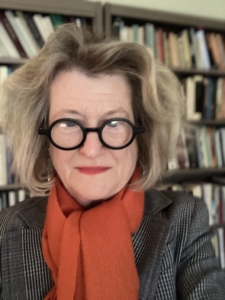
Field of Study: Europe
Contact Information
Email: cford@history.ucla.edu
Office: 5254 Bunche Hall

Field of Study: East African & Indian Ocean History; Histories of Global Capitalism; Gender and Political Economy; History of Empire
Contact Information
Email: wint@history.ucla.edu
Office: 5339 Bunche Hall
Phone: 310-794-9551
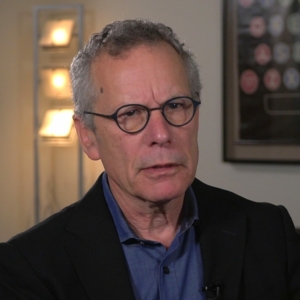
Field of Study: Middle East
Contact Information
Email: gelvin@history.ucla.edu
Office: 7377 Bunche Hall
Phone: 310-206-4854
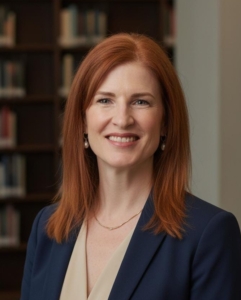
Field of Study: Europe
Contact Information
Email: ghervas@history.ucla.edu
Office: 5385 Bunche Hall
Phone: 310-825-3866
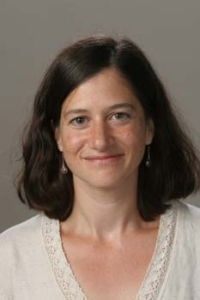
Field of Study: Medieval, Jewish
Contact Information
Email: goldberg@history.ucla.edu
Office: 6254 Bunche Hall
Phone: 310-206-6860
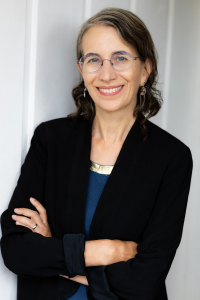
Field of Study: China, Cultural History, History of Gender & Sexuality
Contact Information
Email: goldman@history.ucla.edu
Office: 5355 Bunche Hall
Phone: 310-825-3368
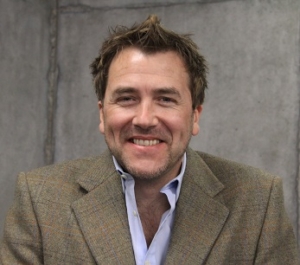
Field of Study: World, South Asia, Islamic
Contact Information
Email: green@history.ucla.edu
Office: 7256 Bunche Hall
Phone: 310-825-9498
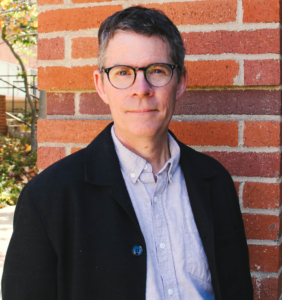
Field of Study: United States social history, labor and working class history, digital humanities and public history.
Contact Information
Email: higbie@irle.ucla.edu
Office: 6349 Bunche Hall

Field of Study: Eastern Europe, the Balkans, Ottoman Empire, Habsburg Empire, Near East, Urban History, Visual Methods
Contact Information
Email: jovanovic@history.ucla.edu
Office: 5286 Bunche Hall
Phone: 310-794-9646
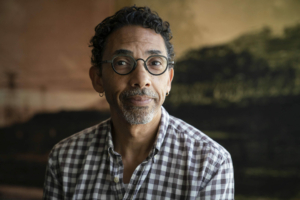
Field of Study: United States, African-American and African Diaspora, Labor History, Jazz Studies
Contact Information
Email: rdkelley@ss.ucla.edu
Office: 5383 Bunche Hall
Phone: 310-825-3469
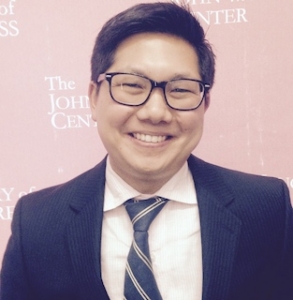
Field of Study: U.S. politics and diplomacy, U.S.-Asia relations, global Cold War and decolonization
Contact Information
Email: kykim@history.ucla.edu
Office: 5284 Bunche Hall
Phone: 310-794-9557

Field of Study: Ottoman Empire, Economic History, Monetary History
Contact Information
Email: chkoh@history.ucla.edu
Office: 5349 Bunche Hall
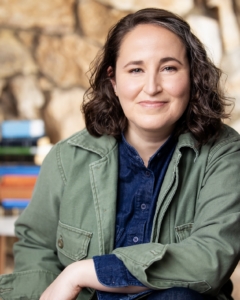
Field of Study: Late Antiquity, Middle Ages
Contact Information
Email: jkreiner@history.ucla.edu
Office: 5256 Bunche Hall
Phone: 310-825-4620
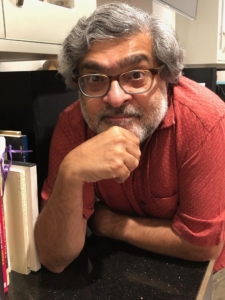
Field of Study: South and Southeast Asia, world history, historiography, history and theory.
Contact Information
Email: vlal@history.ucla.edu
Office: 5240 Bunche Hall
Phone: 310-825-8276

Field of Study: African History, Economies, Institutions, Religions, Women, Gender and the World
Contact Information
Email: lydon@history.ucla.edu
Office: 7248 Bunche Hall
Phone: 310-825-4214
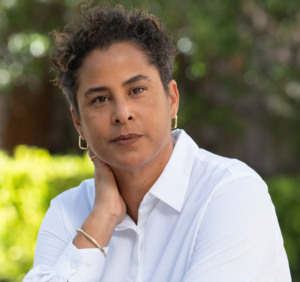
Field of Study: United States
Contact Information
Email: hernandez@history.ucla.edu
Office: 6238 Bunche Hall
Phone: 310-825-3884
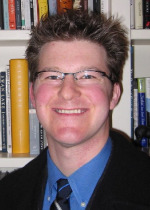
Field of Study: Native America, the U.S. West, the United States, and colonialism in World History
Contact Information
Email: madley@ucla.edu
Office: 5371 Bunche Hall

Field of Study: United States and Latin America; Women's, Gender, and Sexuality History
Contact Information
Email: kmarino@history.ucla.edu
Office: Bunche 5343
Phone: 310-825-4570
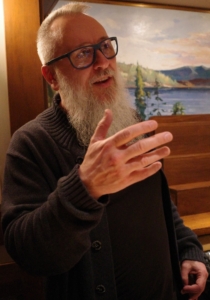
Field of Study: Japan
Contact Information
Email: marotti@history.ucla.edu
Office: 5365 Bunche Hall
Phone: 310-825-4368
Valerie Matsumoto
Professor and George and Sakaye Aratani Chair on the Japanese American Incarceration, Redress and Community

Field of Study: United States
Contact Information
Email: matsumot@history.ucla.edu
Office: 5377 Bunche Hall
Phone: 310-825-4508
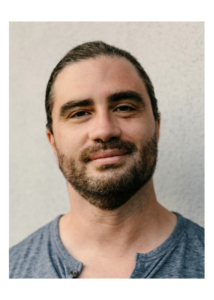
Field of Study: Russia, Ukraine, and Eastern Europe in the 20th century
Contact Information
Email: mcbridejg@ucla.edu
Office: Bunche Hall 5276
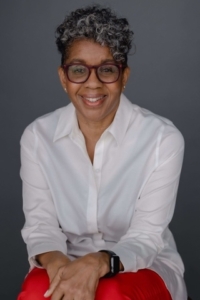
Field of Study: Europe
Contact Information
Email: mcclendo@history.ucla.edu
Office: 5341 Bunche Hall
Phone: 310-825-3918
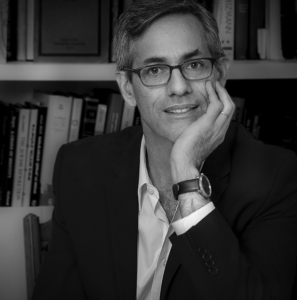
Field of Study: Jewish, Europe, Modern Jewish intellectual and cultural history
Contact Information
Email: myers@history.ucla.edu
Office: 5387 Bunche Hall
Phone: 310-825-3780
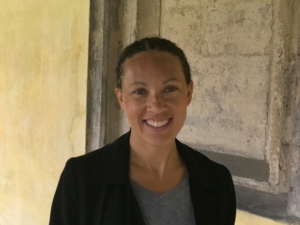
Field of Study: Modern Europe
Contact Information
Email: mnasiali@history.ucla.edu
Office: 5274 Bunche Hall

Field of Study: Science and Medicine; Latin America; Women, Gender, and Sexuality
Contact Information
Email: eobrien@history.ucla.edu
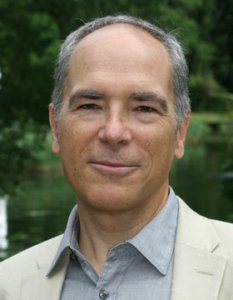
Field of Study: German History, Modern Europe, History of Anthropology
Contact Information
Email: gpenny@history.ucla.edu
Office: 5363 Bunche Hall
Phone: 310-825-3568
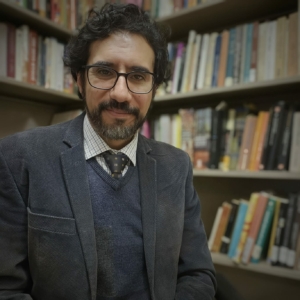
Field of Study: Latin America
Contact Information
Email: fperez@history.ucla.edu
Office: 5280 Bunche Hall
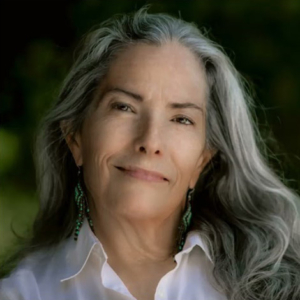
Field of Study: United States (early period to 1800), Atlantic World, Caribbean
Contact Information
Email: cgpestana@history.ucla.edu
Office: 5391 Bunche Hall
Phone: 310-206-5221
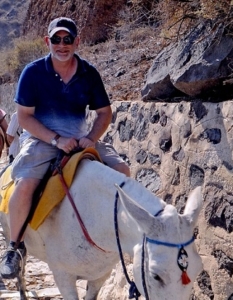
Field of Study: Ancient Greece
Contact Information
Email: phillips@history.ucla.edu
Office: 5246 Bunche Hall

Field of Study: Europe. European intellectual history, 1200-1600; History of European political thought and philosophy from classical antiquity to early modernity
Contact Information
Email: pstacey@history.ucla.edu
Office: 5373 Bunche Hall
Sarah Abrevaya Stein
Distinguished Professor and Viterbi Family Endowed Chair in Mediterranean Jewish Studies
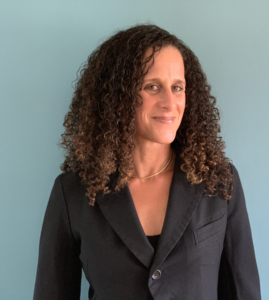
Field of Study: Jewish, Sephardic Studies
Contact Information
Email: sstein@history.ucla.edu
Office: 6296 Bunche Hall
Phone: 310-825-4153
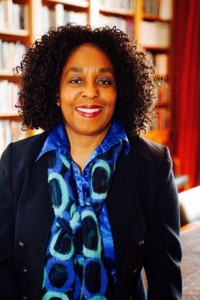
Field of Study: United States, African American, Southern, U.S. Women and Family
Contact Information
Email: stevenso@history.ucla.edu
Office: 6274 Bunche Hall
Phone: 310-825-9420
Sanjay Subrahmanyam
Distinguished Professor and Irving and Jean Stone Endowed Chair in Social Sciences
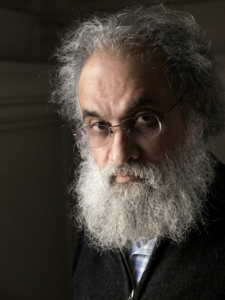
Field of Study: South and Southeast Asia, Europe, World
Contact Information
Email: subrahma@history.ucla.edu
Office: 9347 Bunche Hall
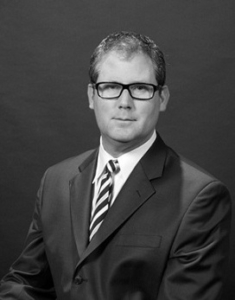
Field of Study: Brazil, Latin America, Economic History, Atlantic History
Contact Information
Email: wrs@history.ucla.edu
Office: 9256 Bunche Hall
Phone: 310-206-7600

Field of Study: United States, Slavery, Native American History, Labor
Contact Information
Email: vtejada@history.ucla.edu
Office: Bunche Hall 5375
Phone: 424-259-5019
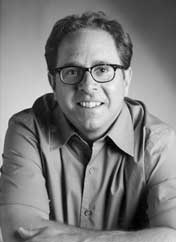
Field of Study: Colonial Latin America, Ethnohistory, Mesoamerica
Contact Information
Email: terra@history.ucla.edu
Office: 5353 Bunche Hall
Phone: 310-825-8410
Stefania Tutino
Professor and UCLA College of Letters and Science Endowed Term Chair in Early Modern European History, Arts, and Culture

Field of Study: Early Modern Europe
Contact Information
Email: tutino@history.ucla.edu
Office: 7389 Bunche Hall
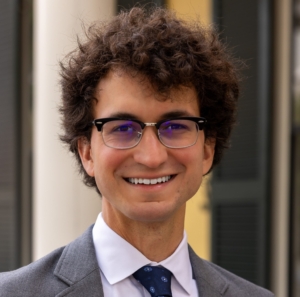
Field of Study: Early Modern Europe, Social History, Religious History, History of Science
Contact Information
Email: spencew@history.ucla.edu
Office: 6260 Bunche Hall
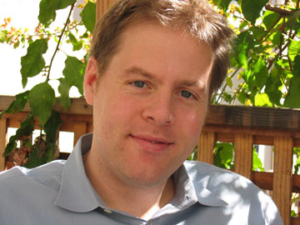
Field of Study: United States
Contact Information
Email: yirush@history.ucla.edu
Office: 5270 Bunche Hall
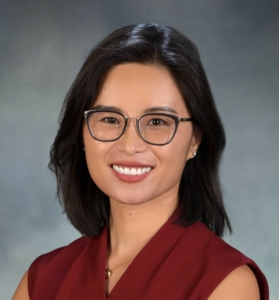
Field of Study: Late Imperial and Modern China, Social and Economic History, Political Economy and Ecology, Comparative Empire, Global History of Capitalism
Contact Information
Email: mzhang@history.ucla.edu
Office: 5361 Bunche Hall
Phone: 310-825-4258
Field of Study: African, World
Contact Information
Email: aapter@history.ucla.edu
Office: 5369 Bunche Hall
Phone: 310-794-9547
Field of Study: Early modern world and Armenian history, Middle Eastern Studies
Contact Information
Email: saslanian@history.ucla.edu
Office: 7383 Bunche Hall
Field of Study: 20C––U.S.urban, cultural, race and ethnicity
Contact Information
Email: eavila@ucla.edu
Office: 7389 Bunche Hall
Phone: 310-206-8264
Field of Study: Science
Contact Information
Email: chadarevian@history.ucla.edu
Office: 5272 Bunche Hall
Phone: 310-825-3888
Field of Study: Modern Latin America & the Caribbean
Lauren (Robin) Derby’s area of research includes the French and Spanish Caribbean, especially the Dominican Republic, Haiti, Cuba and Puerto Rico.
Contact Information
Email: derby@history.ucla.edu
Office: 7238 Bunche Hall
Phone: 310-267-5461
Field of Study: East African & Indian Ocean History; Histories of Global Capitalism; Gender and Political Economy; History of Empire
Contact Information
Email: wint@history.ucla.edu
Office: 5339 Bunche Hall
Phone: 310-794-9551
Field of Study: Middle East
Contact Information
Email: gelvin@history.ucla.edu
Office: 7377 Bunche Hall
Phone: 310-206-4854
Field of Study: Europe
Contact Information
Email: ghervas@history.ucla.edu
Office: 5385 Bunche Hall
Phone: 310-825-3866
Field of Study: Medieval, Jewish
Contact Information
Email: goldberg@history.ucla.edu
Office: 6254 Bunche Hall
Phone: 310-206-6860
Field of Study: China, Cultural History, History of Gender & Sexuality
Contact Information
Email: goldman@history.ucla.edu
Office: 5355 Bunche Hall
Phone: 310-825-3368
Field of Study: World, South Asia, Islamic
Contact Information
Email: green@history.ucla.edu
Office: 7256 Bunche Hall
Phone: 310-825-9498
Field of Study: United States social history, labor and working class history, digital humanities and public history.
Contact Information
Email: higbie@irle.ucla.edu
Office: 6349 Bunche Hall
Field of Study: Eastern Europe, the Balkans, Ottoman Empire, Habsburg Empire, Near East, Urban History, Visual Methods
Contact Information
Email: jovanovic@history.ucla.edu
Office: 5286 Bunche Hall
Phone: 310-794-9646
Field of Study: United States, African-American and African Diaspora, Labor History, Jazz Studies
Contact Information
Email: rdkelley@ss.ucla.edu
Office: 5383 Bunche Hall
Phone: 310-825-3469
Field of Study: U.S. politics and diplomacy, U.S.-Asia relations, global Cold War and decolonization
Contact Information
Email: kykim@history.ucla.edu
Office: 5284 Bunche Hall
Phone: 310-794-9557
Field of Study: Ottoman Empire, Economic History, Monetary History
Contact Information
Email: chkoh@history.ucla.edu
Office: 5349 Bunche Hall
Field of Study: Late Antiquity, Middle Ages
Contact Information
Email: jkreiner@history.ucla.edu
Office: 5256 Bunche Hall
Phone: 310-825-4620
Field of Study: South and Southeast Asia, world history, historiography, history and theory.
Contact Information
Email: vlal@history.ucla.edu
Office: 5240 Bunche Hall
Phone: 310-825-8276
Field of Study: African History, Economies, Institutions, Religions, Women, Gender and the World
Contact Information
Email: lydon@history.ucla.edu
Office: 7248 Bunche Hall
Phone: 310-825-4214
Field of Study: United States
Contact Information
Email: hernandez@history.ucla.edu
Office: 6238 Bunche Hall
Phone: 310-825-3884
Field of Study: Native America, the U.S. West, the United States, and colonialism in World History
Contact Information
Email: madley@ucla.edu
Office: 5371 Bunche Hall
Field of Study: United States and Latin America; Women's, Gender, and Sexuality History
Contact Information
Email: kmarino@history.ucla.edu
Office: Bunche 5343
Phone: 310-825-4570
Field of Study: Japan
Contact Information
Email: marotti@history.ucla.edu
Office: 5365 Bunche Hall
Phone: 310-825-4368
Valerie Matsumoto
Professor and George and Sakaye Aratani Chair on the Japanese American Incarceration, Redress and Community
Field of Study: United States
Contact Information
Email: matsumot@history.ucla.edu
Office: 5377 Bunche Hall
Phone: 310-825-4508
Field of Study: Russia, Ukraine, and Eastern Europe in the 20th century
Contact Information
Email: mcbridejg@ucla.edu
Office: Bunche Hall 5276
Field of Study: Europe
Contact Information
Email: mcclendo@history.ucla.edu
Office: 5341 Bunche Hall
Phone: 310-825-3918
Field of Study: Jewish, Europe, Modern Jewish intellectual and cultural history
Contact Information
Email: myers@history.ucla.edu
Office: 5387 Bunche Hall
Phone: 310-825-3780
Field of Study: Modern Europe
Contact Information
Email: mnasiali@history.ucla.edu
Office: 5274 Bunche Hall
Field of Study: Science and Medicine; Latin America; Women, Gender, and Sexuality
Contact Information
Email: eobrien@history.ucla.edu
Field of Study: German History, Modern Europe, History of Anthropology
Contact Information
Email: gpenny@history.ucla.edu
Office: 5363 Bunche Hall
Phone: 310-825-3568
Field of Study: Latin America
Contact Information
Email: fperez@history.ucla.edu
Office: 5280 Bunche Hall
Field of Study: United States (early period to 1800), Atlantic World, Caribbean
Contact Information
Email: cgpestana@history.ucla.edu
Office: 5391 Bunche Hall
Phone: 310-206-5221
Field of Study: Ancient Greece
Contact Information
Email: phillips@history.ucla.edu
Office: 5246 Bunche Hall
Field of Study: Europe. European intellectual history, 1200-1600; History of European political thought and philosophy from classical antiquity to early modernity
Contact Information
Email: pstacey@history.ucla.edu
Office: 5373 Bunche Hall
Sarah Abrevaya Stein
Distinguished Professor and Viterbi Family Endowed Chair in Mediterranean Jewish Studies
Field of Study: Jewish, Sephardic Studies
Contact Information
Email: sstein@history.ucla.edu
Office: 6296 Bunche Hall
Phone: 310-825-4153
Field of Study: United States, African American, Southern, U.S. Women and Family
Contact Information
Email: stevenso@history.ucla.edu
Office: 6274 Bunche Hall
Phone: 310-825-9420
Sanjay Subrahmanyam
Distinguished Professor and Irving and Jean Stone Endowed Chair in Social Sciences
Field of Study: South and Southeast Asia, Europe, World
Contact Information
Email: subrahma@history.ucla.edu
Office: 9347 Bunche Hall
Field of Study: Brazil, Latin America, Economic History, Atlantic History
Contact Information
Email: wrs@history.ucla.edu
Office: 9256 Bunche Hall
Phone: 310-206-7600
Field of Study: United States, Slavery, Native American History, Labor
Contact Information
Email: vtejada@history.ucla.edu
Office: Bunche Hall 5375
Phone: 424-259-5019
Field of Study: Colonial Latin America, Ethnohistory, Mesoamerica
Contact Information
Email: terra@history.ucla.edu
Office: 5353 Bunche Hall
Phone: 310-825-8410
Stefania Tutino
Professor and UCLA College of Letters and Science Endowed Term Chair in Early Modern European History, Arts, and Culture
Field of Study: Early Modern Europe
Contact Information
Email: tutino@history.ucla.edu
Office: 7389 Bunche Hall
Field of Study: Early Modern Europe, Social History, Religious History, History of Science
Contact Information
Email: spencew@history.ucla.edu
Office: 6260 Bunche Hall
Field of Study: United States
Contact Information
Email: yirush@history.ucla.edu
Office: 5270 Bunche Hall
Field of Study: Late Imperial and Modern China, Social and Economic History, Political Economy and Ecology, Comparative Empire, Global History of Capitalism
Contact Information
Email: mzhang@history.ucla.edu
Office: 5361 Bunche Hall
Phone: 310-825-4258
Adjunct Professors

Field of Study: History of Science, History of Mathematics
Contact Information
Email: amiralex@ucla.edu
Office: 5244 Bunche Hall
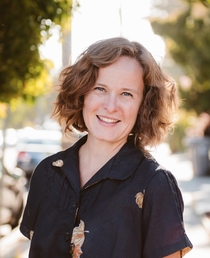
Field of Study: Europe/US
Contact Information
Email: tpaul[at]history.ucla.edu
Field of Study: History of Science, History of Mathematics
Contact Information
Email: amiralex@ucla.edu
Office: 5244 Bunche Hall
Continuing Lecturers

Field of Study: History of Medicine
Chien-Ling Liu is a historian of medicine at UCLA. Her research has focused on cross-cultural medical encounters between Western Europe and East Asia in the nineteenth and twentieth centuries, as part of the larger scholarship of world history in connection with contemporary issues in global health.
Contact Information
Email: chienlingliu@ucla.edu

Field of Study: United States
Contact Information
Email: mcorey@ucla.edu
Office: 9345 Bunche Hall
Phone: 310-825-2416

Field of Study: Byzantine and Late Antique History
Contact Information
Email: jlangdon@ucla.edu
Office: 7280 Bunche Hall
Phone: 310-825-4388

Field of Study: Economic and social histories of the Ottoman Empire- Urban and gender studies
Contact Information
Email: mmomdjia@g.ucla.edu
Office: 6248 Bunche Hall
Phone: (310) 206-2115
Field of Study: History of Medicine
Chien-Ling Liu is a historian of medicine at UCLA. Her research has focused on cross-cultural medical encounters between Western Europe and East Asia in the nineteenth and twentieth centuries, as part of the larger scholarship of world history in connection with contemporary issues in global health.
Contact Information
Email: chienlingliu@ucla.edu
Field of Study: United States
Contact Information
Email: mcorey@ucla.edu
Office: 9345 Bunche Hall
Phone: 310-825-2416
Field of Study: Byzantine and Late Antique History
Contact Information
Email: jlangdon@ucla.edu
Office: 7280 Bunche Hall
Phone: 310-825-4388
Field of Study: Economic and social histories of the Ottoman Empire- Urban and gender studies
Contact Information
Email: mmomdjia@g.ucla.edu
Office: 6248 Bunche Hall
Phone: (310) 206-2115
Affiliated Faculty
Field of Study: Brazil, Latin America, Historical Geography, Environmental History
Contact Information
Email: sbell@geog.ucla.edu
Office: 1255 Bunche Hall
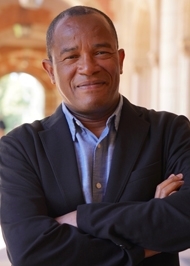
Field of Study: Historical Anthropology
Contact Information
Email: aboum@anthro.ucla.edu
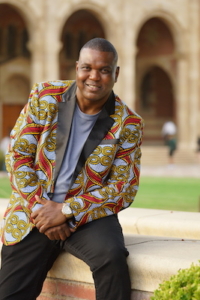
Field of Study: United States
Contact Information
Email: sbrown@history.ucla.edu
Office: 1321 Rolfe
Phone: 310-825-5502
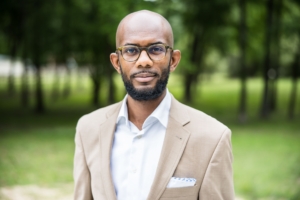
Field of Study: U.S. History, History of Education, African American History
Contact Information
Email: ercole@ucla.edu
Office: Moore Hall 3135
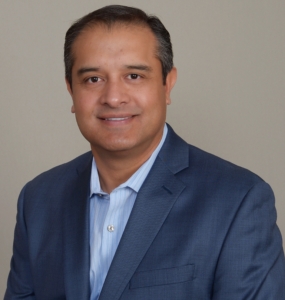
Field of Study: U.S. Twentieth Century History, History of Education, Chicana/o and Latina/o History
Contact Information
Email: davidgg@ucla.edu
Office: 1041D Moore Hall
Phone: (310) 206-5434

Field of Study: Legal History
Contact Information
Email: grossa@law.ucla.edu
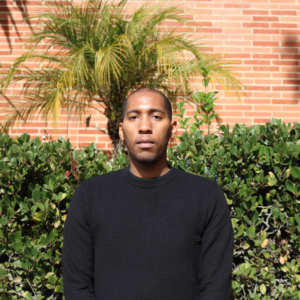
Field of Study: United States - Urban History and Studies, Afro-Indigenous Studies, and Contemporary Popular Culture
Contact Information
Email: mayskyle@g.ucla.edu
Office: 1328 Rolfe Hall
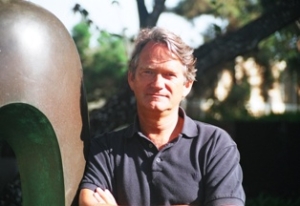
Field of Study: Europe, Prolonged contact of Europe with the non-European world
Contact Information
Email: pagden@polisci.ucla.edu
Office: 4289 Bunche Hall
Phone: 310-825-9984
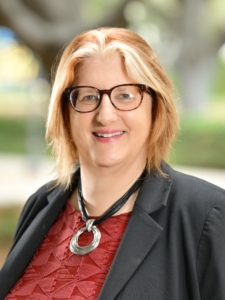
Alexandra Minna Stern, Ph.D., has served as dean of the UCLA Division of Humanities since November 2022.
Stern has faculty appointments in the UCLA departments of English and history, and in the UCLA Institute for Society and Genetics. She has received numerous grants for her research, including funding from the National Endowment for the Humanities, National Institutes of Health and the Robert Wood Johnson Foundation.
Contact Information
Email: amstern@college.ucla.edu
Phone: 310-825-4173
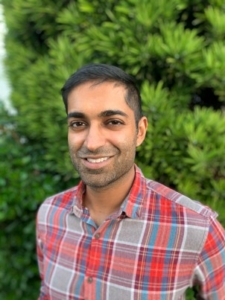
Field of Study: science, medicine, climate, race, design, South Asia
Contact Information
Email: bvenkat@ucla.edu
Office: Institute for Society and Genetics
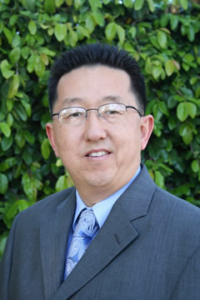
Field of Study: Asian American history, United States history, religion and Asian Americans.
Contact Information
Email: dkyoo@ucla.edu
Office: 5337 Bunche Hall
Phone: 310-267-5592
Field of Study: Brazil, Latin America, Historical Geography, Environmental History
Contact Information
Email: sbell@geog.ucla.edu
Office: 1255 Bunche Hall
Field of Study: United States
Contact Information
Email: sbrown@history.ucla.edu
Office: 1321 Rolfe
Phone: 310-825-5502
Field of Study: U.S. History, History of Education, African American History
Contact Information
Email: ercole@ucla.edu
Office: Moore Hall 3135
Field of Study: U.S. Twentieth Century History, History of Education, Chicana/o and Latina/o History
Contact Information
Email: davidgg@ucla.edu
Office: 1041D Moore Hall
Phone: (310) 206-5434
Field of Study: United States - Urban History and Studies, Afro-Indigenous Studies, and Contemporary Popular Culture
Contact Information
Email: mayskyle@g.ucla.edu
Office: 1328 Rolfe Hall
Field of Study: Europe, Prolonged contact of Europe with the non-European world
Contact Information
Email: pagden@polisci.ucla.edu
Office: 4289 Bunche Hall
Phone: 310-825-9984
Alexandra Minna Stern, Ph.D., has served as dean of the UCLA Division of Humanities since November 2022.
Stern has faculty appointments in the UCLA departments of English and history, and in the UCLA Institute for Society and Genetics. She has received numerous grants for her research, including funding from the National Endowment for the Humanities, National Institutes of Health and the Robert Wood Johnson Foundation.
Contact Information
Email: amstern@college.ucla.edu
Phone: 310-825-4173
Field of Study: science, medicine, climate, race, design, South Asia
Contact Information
Email: bvenkat@ucla.edu
Office: Institute for Society and Genetics
Field of Study: Asian American history, United States history, religion and Asian Americans.
Contact Information
Email: dkyoo@ucla.edu
Office: 5337 Bunche Hall
Phone: 310-267-5592
Professors Emeritus

Field of Study: African, Indian Ocean
Contact Information
Email: alpers@history.ucla.edu
Field of Study: Europe
Contact Information
Office: 7244 Bunche Hall
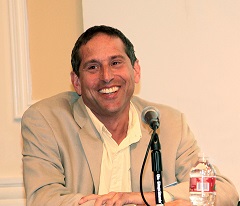
Field of Study: United States
Contact Information
Email: saron@history.ucla.edu
Office: 7391 Bunche Hall
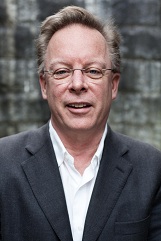
Field of Study: Europe
Contact Information
Email: pbaldwin@ucla.edu
Phone: 310-396-0108
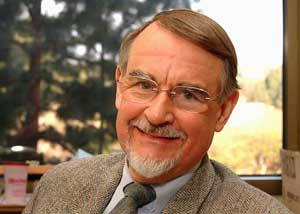
Field of Study: History of Religions, Christian Origins, Early Church History
Contact Information
Email: bartchy@history.ucla.edu
Phone: 310-825-4570

Field of Study: China
Contact Information
Email: bernhard@history.ucla.edu
Phone: 310-206-5221

Field of Study: United States, Colonial and Revolutionary
Contact Information
Email: bloch@history.ucla.edu
Field of Study: Europe
Contact Information
Email: brenner@history.ucla.edu
Office: 4355G Pub Pol/7244 Bunche Hall
Phone: 310-206-5675 or 310-825-4256
Field of Study: Institutional history, History of religion, Historiography, Linguistics, Archaeology
Contact Information
Email: buccella@ucla.edu
Office: A311 Fowler
Phone: 310-825-3760
Field of Study: United States
Contact Information
Email: rdallek@ucla.edu

Field of Study: United States; Gender, Sexuality and Women; U.S. Transnational History
Contact Information
Email: edubois@ucla.edu
Office: 9341 Bunche Hall
Field of Study: World History, Early Modern East Asian History
Contact Information
Email: duncan@humnet.ucla.edu
Office: Asian Languages & Cultures, Box 951540
Phone: 310-794-8931
Field of Study: China
Contact Information
Field of Study: Russia, Europe, early modern-20th century
Contact Information
Email: frank@history.ucla.edu
Phone: 310-825-1921
Field of Study: Science
Contact Information
Email: rfrankj@ucla.edu
Office: 5268 Bunche Hall
Field of Study: Jewish, Europe
Contact Information
Email: friedlan@history.ucla.edu
Field of Study: Medieval
Contact Information
Email: geary@ucla.edu
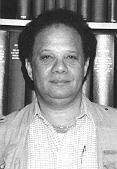
Field of Study: United States
Contact Information
Email: rhill@history.ucla.edu
Office: 9341 Bunche Hall
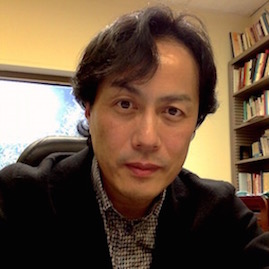
Field of Study: Early Modern and Modern Japan, (Settler) Colonialism, Racial Capitalism, Nuclear Politics, Critical Theory
Contact Information
Email: hirano@history.ucla.edu
Office: 5238 Bunche Hall
Phone: 310-825-1235
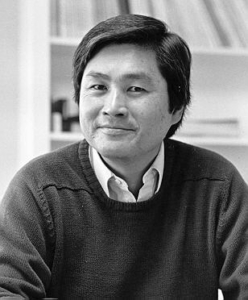
Field of Study: China
Contact Information
Email: huang@history.ucla.edu
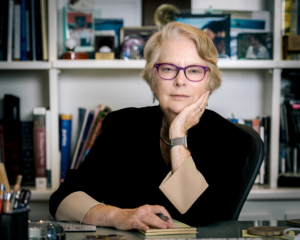
Field of Study: Europe, France, cultural history, historiography
Contact Information
Email: lhunt@history.ucla.edu
Office: 6260 Bunche Hall
Phone: 310-567-5942
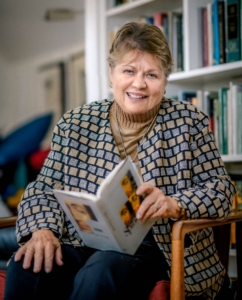
Field of Study: Europe
Contact Information
Email: mjacob@history.ucla.edu
Office: 6260 Bunche Hall
Phone: 310-794-4432
Field of Study: Europe
Contact Information
Email: rjacoby@history.ucla.edu
Phone: 310-206-2625

Field of Study: United States
Contact Information
Email: sanford@ad.ucla.edu
Office: Luskin School, Rm. 6218
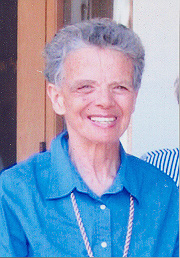
Field of Study: Near Eastern history, especially Iran; Social history; Women’s History; Comparative and World History; Photography
Contact Information
Email: keddie@history.ucla.edu
Field of Study: United States, business and economic history
Contact Information
Email: lamoreaux@econ.ucla.edu

Contact Information
Email: peterl@ucla.edu
Office: 7252 Bunche Hall
Phone: 310-471-3039

Field of Study: Near Eastern History: Modern period
Contact Information
Email: amarsot@ucla.edu
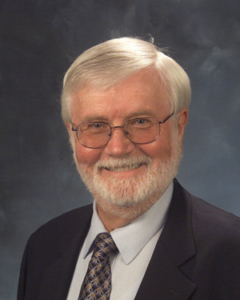
Field of Study: Greek and Roman History; Ancient Religion; Classical Tradition
Contact Information
Email: mellor@history.ucla.edu
Office: 7379 Bunche Hall
Phone: 310-825-4157
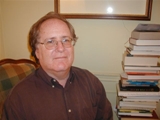
Field of Study: United States, U.S. Intellectual and Legal History, emphasis on early America
Contact Information
Email: meranze@history.ucla.edu
Office: 6240 Bunche Hall
Phone: 310-825-2671
Field of Study: Near East
Contact Information
Email: morony@history.ucla.edu
Phone: 310-825-1962
Field of Study: Latin America
Contact Information
Email: moya@history.ucla.edu
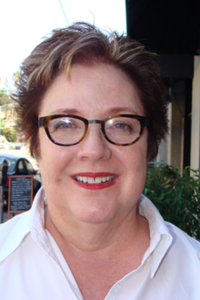
Field of Study: Europe, Women
Contact Information
Email: knorberg@ucla.edu
Phone: 310-825-7317

Field of Study: Japan
Contact Information
Email: notehelf@history.ucla.edu
Field of Study: Europe
Contact Information
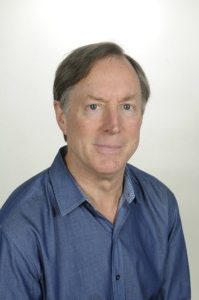
Field of Study: History of Science
Contact Information
Email: tporter@history.ucla.edu
Phone: 310-206-2352
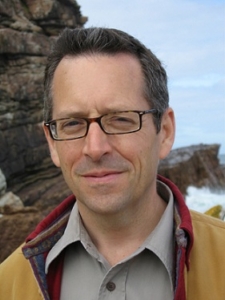
Field of Study: South and Southeast Asia, (Genocide studies, Political violence, US foreign policy, Indonesia, East Timor)
Contact Information
Email: robinson@history.ucla.edu
Phone: 310-488-8567

Contact Information
Email: tfruiz@history.ucla.edu
Office: 7379 Bunche Hall
Phone: 310-825-3194
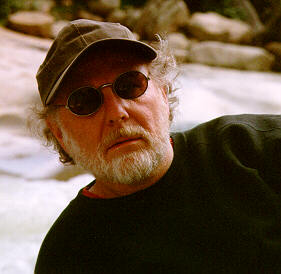
Field of Study: Europe
Contact Information
Email: dsabean@history.ucla.edu
Phone: 310-825-3173
Field of Study: South and Southeast Asia, United States
Contact Information
Email: salman@history.ucla.edu
Debora Silverman
Distinguished Professor Emeritus and University of California Presidential Chair in Modern European History, Art and Culture at UCLA
Field of Study: Europe
Contact Information
Email: silverma@history.ucla.edu
Office: 9337 Bunche Hall
Phone: 310-825-5066
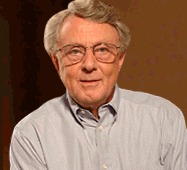
Field of Study: Early Modern European History
Contact Information
Email: symcox@history.ucla.edu
Office: 5381 Bunche Hall
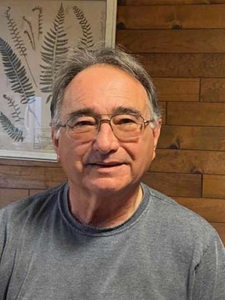
Field of Study: Europe/Britain
Contact Information
Email: aurdank@history.ucla.edu
Field of Study: China, World
Contact Information
Email: vonglahn@history.ucla.edu

Field of Study: England, Medieval History
Contact Information
Email: swaugh@history.ucla.edu
Office: 7242 Bunche Hall
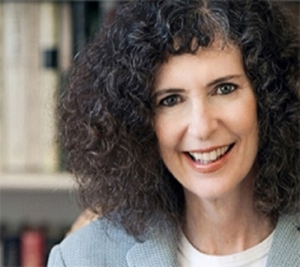
Field of Study: United States
Contact Information
Email: jwaugh@history.ucla.edu
Office: 9351 Bunche Hall
Phone: 310-825-1865
Field of Study: United States
Contact Information
Email: rweiss@history.ucla.edu
Office: 7272 Bunche Hall
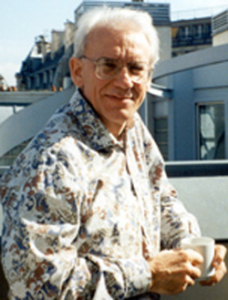
Field of Study: Science, Europe
Contact Information
Email: nortonw@history.ucla.edu
Phone: 310-825-4764
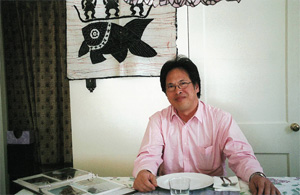
Field of Study: China
Contact Information
Email: wong@history.ucla.edu
Phone: 310-267-5462
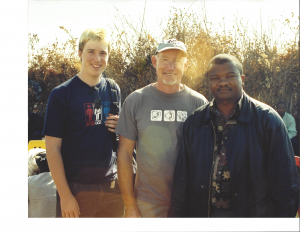
Field of Study: African
Contact Information
Email: worger@history.ucla.edu

Field of Study: United States
Contact Information
Email: yeager@ucla.edu, yeagerprof@gmail.com
Phone: 310-825-3489
Field of Study: Europe
Contact Information
Office: 7244 Bunche Hall
Field of Study: United States
Contact Information
Email: saron@history.ucla.edu
Office: 7391 Bunche Hall
Field of Study: History of Religions, Christian Origins, Early Church History
Contact Information
Email: bartchy@history.ucla.edu
Phone: 310-825-4570
Field of Study: United States, Colonial and Revolutionary
Contact Information
Email: bloch@history.ucla.edu
Field of Study: Europe
Contact Information
Email: brenner@history.ucla.edu
Office: 4355G Pub Pol/7244 Bunche Hall
Phone: 310-206-5675 or 310-825-4256
Field of Study: Institutional history, History of religion, Historiography, Linguistics, Archaeology
Contact Information
Email: buccella@ucla.edu
Office: A311 Fowler
Phone: 310-825-3760
Field of Study: United States; Gender, Sexuality and Women; U.S. Transnational History
Contact Information
Email: edubois@ucla.edu
Office: 9341 Bunche Hall
Field of Study: World History, Early Modern East Asian History
Contact Information
Email: duncan@humnet.ucla.edu
Office: Asian Languages & Cultures, Box 951540
Phone: 310-794-8931
Field of Study: China
Contact Information
Field of Study: Russia, Europe, early modern-20th century
Contact Information
Email: frank@history.ucla.edu
Phone: 310-825-1921
Field of Study: United States
Contact Information
Email: rhill@history.ucla.edu
Office: 9341 Bunche Hall
Field of Study: Early Modern and Modern Japan, (Settler) Colonialism, Racial Capitalism, Nuclear Politics, Critical Theory
Contact Information
Email: hirano@history.ucla.edu
Office: 5238 Bunche Hall
Phone: 310-825-1235
Field of Study: Europe, France, cultural history, historiography
Contact Information
Email: lhunt@history.ucla.edu
Office: 6260 Bunche Hall
Phone: 310-567-5942
Field of Study: Europe
Contact Information
Email: mjacob@history.ucla.edu
Office: 6260 Bunche Hall
Phone: 310-794-4432
Field of Study: United States
Contact Information
Email: sanford@ad.ucla.edu
Office: Luskin School, Rm. 6218
Field of Study: Near Eastern history, especially Iran; Social history; Women’s History; Comparative and World History; Photography
Contact Information
Email: keddie@history.ucla.edu
Field of Study: United States, business and economic history
Contact Information
Email: lamoreaux@econ.ucla.edu
Contact Information
Email: peterl@ucla.edu
Office: 7252 Bunche Hall
Phone: 310-471-3039
Field of Study: Greek and Roman History; Ancient Religion; Classical Tradition
Contact Information
Email: mellor@history.ucla.edu
Office: 7379 Bunche Hall
Phone: 310-825-4157
Field of Study: United States, U.S. Intellectual and Legal History, emphasis on early America
Contact Information
Email: meranze@history.ucla.edu
Office: 6240 Bunche Hall
Phone: 310-825-2671
Field of Study: Europe
Contact Information
Field of Study: History of Science
Contact Information
Email: tporter@history.ucla.edu
Phone: 310-206-2352
Field of Study: South and Southeast Asia, (Genocide studies, Political violence, US foreign policy, Indonesia, East Timor)
Contact Information
Email: robinson@history.ucla.edu
Phone: 310-488-8567
Contact Information
Email: tfruiz@history.ucla.edu
Office: 7379 Bunche Hall
Phone: 310-825-3194
Field of Study: South and Southeast Asia, United States
Contact Information
Email: salman@history.ucla.edu
Debora Silverman
Distinguished Professor Emeritus and University of California Presidential Chair in Modern European History, Art and Culture at UCLA
Field of Study: Europe
Contact Information
Email: silverma@history.ucla.edu
Office: 9337 Bunche Hall
Phone: 310-825-5066
Field of Study: Early Modern European History
Contact Information
Email: symcox@history.ucla.edu
Office: 5381 Bunche Hall
Field of Study: England, Medieval History
Contact Information
Email: swaugh@history.ucla.edu
Office: 7242 Bunche Hall
Field of Study: United States
Contact Information
Email: jwaugh@history.ucla.edu
Office: 9351 Bunche Hall
Phone: 310-825-1865
Field of Study: United States
Contact Information
Email: rweiss@history.ucla.edu
Office: 7272 Bunche Hall
Field of Study: Science, Europe
Contact Information
Email: nortonw@history.ucla.edu
Phone: 310-825-4764
Field of Study: United States
Contact Information
Email: yeager@ucla.edu, yeagerprof@gmail.com
Phone: 310-825-3489